
How to Lubricate Commercial Windows: A Step-by-Step Guide
- michaelfox0
- Aug 28, 2024
- 3 min read
Maintaining commercial windows is crucial for ensuring smooth operation, reducing noise, and prolonging their lifespan. Regular lubrication is a key part of this maintenance, preventing windows from sticking and ensuring they function efficiently. This guide will provide you with a detailed process on how to lubricate a window effectively.
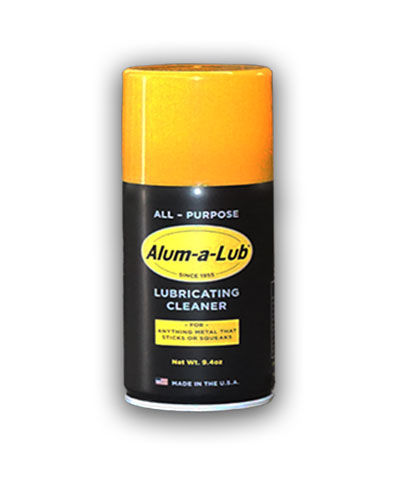
Materials You’ll Need:
Lubricant spray
Dry cloth or paper towels
Vacuum cleaner with a brush attachment
Soft brush
Screwdriver (if needed to access tracks)
Our Guide on How to Lubricate a Window
Step-by-Step Instructions
1. Clean the Window Tracks
Before applying any lubricant, it’s crucial to clean the window tracks thoroughly. Dirt and debris can cause the window to stick and prevent the lubricant from working effectively.
– Vacuum the Tracks:
Use a vacuum cleaner with a brush attachment to remove loose dirt and debris from the window tracks. Make sure to get into all the nooks and crannies.
– Wipe Down the Tracks:
Use a dry cloth or paper towels to wipe down the tracks, removing any remaining dirt. For stubborn grime, a soft brush can be helpful.

2. Prepare the Window for Lubrication
After cleaning, you need to prepare the window for lubrication.
– Open and Close the Window:
Test the window by opening and closing it a few times. This helps identify any particularly sticky areas that may need extra attention.
– Disassemble If Necessary:
If your window has removable parts, such as sashes or tracks, consider removing them for better access. Use a screwdriver if needed.

3. Apply the Lubricant
Choosing the right lubricant is crucial. Silicone-based lubricants are generally preferred for windows because they don’t attract dirt and are safe for most window materials, including aluminum, steel, and other common commercial window materials.
– Spray the Lubricant:
Hold the can of lubricant spray close to the window tracks and spray a thin, even layer along the entire length of the tracks. Make sure to get into all the corners and edges.
– Lubricate Moving Parts:
If your window has moving parts, such as hinges or rollers, apply the lubricant to these areas as well. Be careful not to overspray; a little goes a long way.

4. Distribute the Lubricant Evenly
After applying the lubricant, it’s important to distribute it evenly to ensure smooth operation.
– Open and Close the Window:
Move the window up and down or side to side several times to help spread the lubricant throughout the tracks. This will also help identify any remaining problem areas.
– Wipe Away Excess:
Use a dry cloth or paper towel to wipe away any excess lubricant that may have pooled or dripped.

5. Reassemble and Test
If you disassembled any parts of the window, reassemble them now.
– Reinstall Removable Parts:
Carefully reinstall any parts you removed earlier. Make sure everything is securely in place.
– Final Test:
Open and close the window a few more times to ensure that it operates smoothly and easily. If necessary, apply a bit more lubricant to any areas that still seem sticky.

Tips for Maintaining Lubricated Commercial Windows
Regular Maintenance:
Regularly clean and lubricate your windows every few months to keep them in optimal condition.
Use the Right Lubricant:
Avoid using oil-based products as they can attract dust and grime.
Check for Damage:
During lubrication, inspect your windows for any signs of damage, such as cracks or worn-out seals, and address these issues promptly.
Conclusion
By following these steps, you can ensure that your commercial windows remain easy to operate and free from annoying sticking or squeaking. Knowing how to lubricate a window properly is a simple yet effective way to prolong their lifespan and enhance the functionality and comfort of your commercial space. For more information about commercial window lubrication or to schedule a consultation, Contact Us Today! The WRS Team is happy to help.


Comments