
How to Weather Seal a Door: A Guide for Commercial Spaces – What to Know Now!
- michaelfox0
- Feb 28, 2025
- 3 min read
Learn how to weather seal your commercial door to enhance energy efficiency, block drafts, and protect your business from external elements. Whether you’re preparing for seasonal changes, improving insulation, or minimizing noise, weather sealing is a cost-effective solution that can be implemented in just a few hours. Here’s a step-by-step guide on how to weather seal a commercial door effectively.
1: Gather Your Materials
Before starting, ensure you have the necessary materials and tools. Here’s what you’ll need:
Weatherstripping material (rubber, silicone, or metal)
Door sweep or bottom seal
Measuring tape
Scissors or utility knife
Screwdriver or drill
Adhesive (if not pre-applied on the weatherstripping)
Caulk and caulk gun (optional for sealing gaps around the frame)
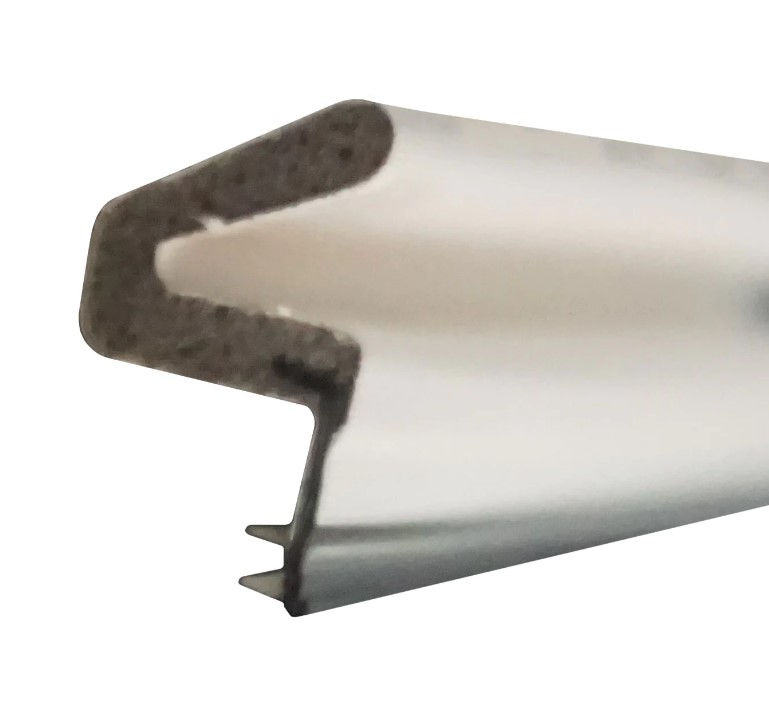
2: Inspect the Door
Next, examine the commercial door for gaps, cracks, or worn-out seals. Pay attention to:
The top and sides of the door frame
The bottom of the door where it meets the threshold
Areas with visible light or air leakage
Take note of the locations that require sealing so you can address them efficiently.

3: Choose the Right Weatherstripping
Then, select your preferred weatherstripping. Different types of weatherstripping are suitable for commercial doors:
Silicone or rubber strips: Durable and ideal for high-traffic doors.
Metal weatherstripping: Provides long-term durability and is suitable for larger gaps.
Adhesive-backed rubber tape: Quick and easy to install for medium gaps.
Commercial door sweeps: Attach to the bottom of the door to block drafts and debris.

4: Measure and Cut the Weatherstripping
Afterwards, use a measuring tape to determine the lengths needed for each section of the door. Cut the weatherstripping material to size using heavy-duty scissors or a utility knife.

5: Apply Weatherstripping to the Door Frame
Clean the Surface: Ensure the door frame is clean and dry to help the weatherstripping adhere properly.
Attach the Weatherstripping: Peel off the backing of the adhesive weatherstripping and press it firmly into place along the door frame. For non-adhesive strips, use screws or industrial-grade nails for a secure fit.

6: Install the Door Sweep
Measure the Door Width: Cut the door sweep to match the width of your door.
Attach the Sweep: Align it with the bottom edge of the door and screw or drill it into place. Ensure it forms a tight seal with the threshold but doesn’t obstruct door movement.

7: Seal Gaps Around the Frame (Optional)
For extra protection, use industrial-grade caulk to seal any cracks or gaps between the door frame and the wall. Apply a smooth bead of caulk using a caulk gun and let it cure completely.

8: Test the Seal
Close the door and check for any remaining gaps by:
Looking for light passing through.
Feeling for drafts with your hand.
Listening for external noise.
Adjust or add more weatherstripping if necessary.

Benefits of Weather Sealing a Commercial Door
Energy Efficiency:
Lower heating and cooling costs by eliminating air leaks.
Comfort:
Maintain a consistent indoor environment for employees and customers.
Protection:
Keep out moisture, dust, and pests to safeguard inventory.
Noise Reduction:
Reduce external noise for a quieter workspace.
Conclusion
Just like commercial windows, learning how to weather seal a commercial door is an essential skill for business owners and facility managers. Follow these steps, and you can ensure a secure, energy-efficient seal that protects your business environment. Make weather sealing a regular part of your facility maintenance to enjoy long-lasting benefits. For more information or to schedule a consultation for repair, Contact Us Today! The WRS Team looks forward to assisting you.


Comments