
How to Replace Closet Door Rollers in Commercial Buildings
- michaelfox0
- Aug 13, 2025
- 2 min read
In commercial environments like offices, hotels, schools, or healthcare facilities, closet doors experience heavy daily use. Over time, this wear can lead to sticking, misalignment, or noisy operation—often caused by worn-out rollers. Fortunately, learning how to replace closet door rollers in a commercial setting is straightforward and can help extend the life and function of your door systems.
Tools and Materials You’ll Need:
Commercial-grade replacement closet door rollers
Screwdriver (Phillips or flathead depending on hardware)
Pliers
Tape measure (for accurate roller sizing)
Step ladder (for overhead access)
Safety gloves and glasses
Lubricant (optional, non-residue type)
Step 1: Remove the Closet Doors
Carefully remove the doors from the track system. Most commercial closet doors—especially bypass or sliding styles—lift up and out from the bottom. For larger or heavier doors, use a second person to ensure safe removal.
Tip: Place the doors on a padded surface to prevent scratching or frame damage.

Step 2: Inspect and Identify the Rollers
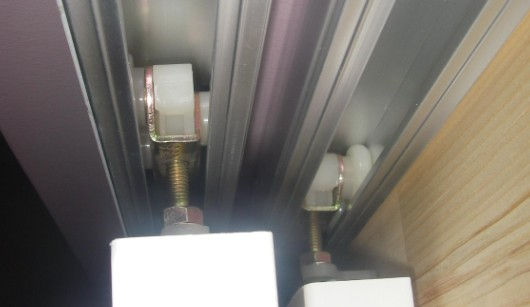
Commercial door systems often use more robust hardware. Check whether your doors use top-hung rollers, bottom track rollers, or a combination. Note the roller style, material, and mounting method. Use this information to source identical or compatible replacements, preferably in stainless steel or heavy-duty nylon for long-term durability.
Step 3: Remove the Damaged Rollers
Using the appropriate screwdriver or pliers, detach the existing rollers from the door frame. Be cautious of rusted screws or sharp edges, especially in older facilities. Clean out any debris or metal fragments from the mounting area.

Step 4: Install New Commercial-Grade Rollers
Install the replacement rollers using the existing mounting holes. For height-adjustable rollers, set them to a neutral position during installation. Tighten all fasteners securely, but do not over-torque.
Tip: If old holes are stripped, use oversized screws or metal inserts to secure the new hardware.

Step 5: Rehang the Doors
Reinsert the doors into the commercial track system—typically by aligning the top rollers first and then seating the bottom rollers into the bottom edge. For bypass systems, make sure doors are placed on the correct track layer (front or rear) for proper function.

Step 6: Test and Fine-Tune
Slide the doors open and closed several times to check for smooth motion. Adjust roller height or alignment if needed using a screwdriver. If squeaking or sticking occurs, apply a lubricant to the track system sparingly.

Conclusion
Understanding how to replace closet door rollers in a commercial setting helps maintain safety, functionality, and a professional appearance. With heavy use being common, regular inspection and roller replacement—using high-quality, commercial-grade components—can prevent long-term damage and costly downtime.
If the door system is part of a fire-rated or specialty enclosure, check for compliance before making changes. For large facilities or buildings with custom systems, consider consulting with a commercial door hardware specialist. For more information, Contact Us Today! The WRS Team will be happy to speak with you.


Comments