


How to Measure Window Screen Size for Commercial Windows
When managing a commercial property—whether it’s an office building, retail space, or apartment complex—ensuring that window screens are properly sized is essential. Accurate measurements help maintain comfort, energy efficiency, and pest control. If you’re replacing or installing new screens, understanding how to measure window screen size for commercial windows will save time, money, and frustration.
Why Accurate Window Screen Measurements Matter
Unlike residential homes, commercial windows often vary widely in size and type, especially in multi-story buildings or spaces with custom architectural designs. An incorrect screen size can lead to improper installation, reduced airflow, safety hazards, and increased maintenance costs. For property managers and facility maintenance teams, precision is critical.
Tools You’ll Need:
Before beginning, ensure you have the following:
A metal measuring tape (at least 25 feet, for larger windows)
Safety gear (gloves, safety glasses, harnesses if working at height)
A notepad or digital device to record measurements
A ladder, lift, or scaffolding for hard-to-reach or elevated windows
Assistance from a second person, if dealing with oversized screens
How to Measure Window Screen Size for Commercial Windows
1. Determine Access to the Window Screen
Before measuring, determine whether the screen is accessible from the interior or exterior. In high-rise buildings, exterior access may require specialized equipment or professional assistance.

2. Remove Existing Screen (If Present)
If safe and possible, remove the screen to measure it directly. This is the most accurate method.

3. Measure the Width
Place the screen on a flat, stable surface. Use your tape measure to record the width from one side to the other, measuring to the nearest 1/16 of an inch. For in-frame measurements, measure the inside width of the screen track from left to right.

4. Measure the Height
Next, measure from the top to the bottom edge. As with the width, be precise and measure to the nearest 1/16 of an inch.

5. Record Frame Depth and Material
Most commercial screens use heavy-duty aluminum frames. Measure the depth (common sizes are 5/16″, 3/8″, or 7/16″). Take note of the material (aluminum, steel, etc.) and frame color if you’re ordering replacements.

6. Note Mounting Hardware and Fasteners
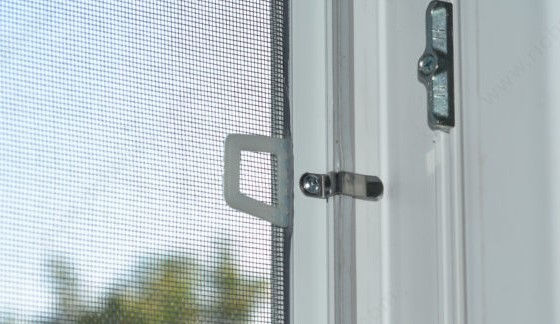
Many commercial window screens use spring clips, tension springs, or custom mounting systems. Take photos or notes of the existing hardware to ensure compatibility with new screens.
Additional Tips for Commercial Properties
No Existing Screen? Measure the window opening from jamb to jamb and subtract about 1/8″ from the height and width to allow for a smooth fit within the screen track.
Consider Window Type: Commercial buildings may feature casement, slider, awning, or fixed-pane windows. Ensure the screen design matches the window operation.
Account for Large or Custom Openings: Large windows may require multiple screens or structural support. Check building codes and consult with a commercial screen specialist for oversized installations.
Label and Document: In large facilities with many identical windows, label each screen with its corresponding location to simplify installation and future maintenance.
Conclusion
Knowing how to measure window screen size for commercial windows is vital for maintaining comfort, safety, and energy efficiency in any business environment. Whether you’re retrofitting an older building or managing a new construction project, accurate screen measurements help prevent issues during installation and ensure long-term performance.
For high-rise or complex buildings, consider working with a commercial screen specialist who can assist with on-site measurements and custom fabrication. For more information on commercial window screens or to schedule a consultation, Contact Us Today! The WRS Team is happy to assist you.


Comments