
How to Fix Sliding Screen Door Issues in Commercial Buildings
- michaelfox0
- Jun 25, 2025
- 2 min read
Sliding screen doors are commonly used in commercial buildings such as office complexes, apartment properties, hotels, and healthcare facilities. Over time, these doors can become difficult to operate due to heavy use, environmental exposure, or lack of maintenance. Knowing how to fix sliding screen doors in commercial settings helps keep high-traffic areas functional, secure, and visually appealing. Here’s a practical guide to help you identify and resolve the most common issues.
1. Inspect and Replace Rollers
In commercial buildings, sliding screen doors are often larger and subjected to frequent use, which can cause rollers to wear down quickly. To fix sticking or wobbling doors, lift the door out of the track and inspect the bottom rollers. Replace any that are worn, cracked, or seized using heavy-duty, commercial-grade replacements.
2. Clean and Maintain the Tracks
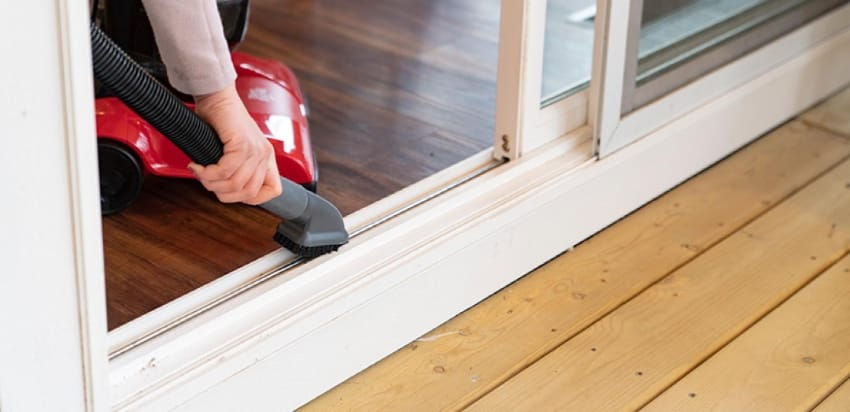
Dirt and debris accumulate quickly in high-traffic areas. Vacuum out the upper and lower tracks and wipe them down with a damp cloth. Then apply a lubricant to keep the door gliding smoothly. Avoid oil-based lubricants, which can attract more dust and grime and pose slip hazards in public walkways.

3. Adjust the Rollers
Many commercial sliding screen doors have adjustment screws located near the base. Use a screwdriver to raise or lower each roller until the door sits evenly and slides without dragging or jumping off track. Proper adjustment is crucial for maintaining alignment and minimizing wear.

4. Inspect the Frame and Track
Damage to the frame or track is common in commercial environments, especially where carts or equipment are regularly used. Look for dents, warping, or corrosion. Straighten light damage with pliers; more severe damage may require full track replacement to maintain safety and performance.

5. Rescreen Damaged Mesh Panels
Replace torn or sagging screen mesh to maintain airflow and building aesthetics. Use high-durability screen fabric designed for commercial use. Remove the old spline, fit new mesh, and secure it with a spline roller tool. Trim any excess material for a neat, professional finish.

Conclusion
Preventative maintenance is key in commercial buildings. Schedule regular inspections, cleanings, and minor adjustments to ensure sliding screen doors continue operating efficiently. Having spare rollers and screen material on hand can reduce downtime during repairs. For more information or assistance ordering replacement rollers, Contact Us Today! The WRS Team looks forward to speaking with you.


Comments