


How to Extend the Life of Existing Window Systems

Replacing an entire window system can be expensive, disruptive, and difficult to schedule around an active building.
In some cases, full replacement may be the right long-term solution. In others, the existing window system may still have service life left with the right repair, hardware replacement, retrofit work, or maintenance plan.
However, the key is not to guess at the scope. The right window solution starts with the right assessment.
Quick overview: What Helps Extend Window System Life?
Assess the current condition of the window system
Identify whether the issue is isolated or widespread
Maintain the hardware that supports daily operation
Document repeated problems before they become larger projects
Address small failures before they create additional damage
Use compatible replacement hardware when repairs are needed
Plan repair work around building use and occupancy
Determine whether repair, retrofit, or replacement is the right step
1. ) Start with a Window System Assessment
Before making repair or replacement decisions, evaluate the current condition of the window system. A window that is hard to open, difficult to lock, or no longer operating smoothly does not automatically mean the entire system has failed.
During an assessment, look at the following:
How easily the windows open and close
Whether the windows stay open safely
Whether locks and latches engage properly
Whether operators, handles, balances, or hinges are functioning
Whether weatherstripping or seals are worn
Whether frames show damage, corrosion, or movement
Whether glass is cracked, fogged, or failing
Whether the same issue appears across multiple windows
The goal is to separate isolated hardware problems from larger system-wide concerns. That distinction matters when planning repairs, budgeting, and deciding whether the scope should involve repair, retrofit, or replacement.
2.) Maintain the Hardware That Does the Work
Window hardware carries much of the daily workload. Balances, operators, locks, keepers, hinges, rollers, and other components all affect how a window functions over time. When hardware wears out, the window may become harder to use even if the frame and glass are still serviceable. Common hardware related issues include:
Windows that will not stay open
Windows that feel heavy or difficult to lift
Locks that no longer line up
Operators that crank poorly or fail to move the sash
Hinges or arms that bind
Rollers or tracks that cause gliding windows to drag
Worn or damaged latches
Missing or broken small components
Replacing or repairing the correct hardware can help restore function and reduce unnecessary strain on the rest of the window system.
3.) Document Repeated Issues
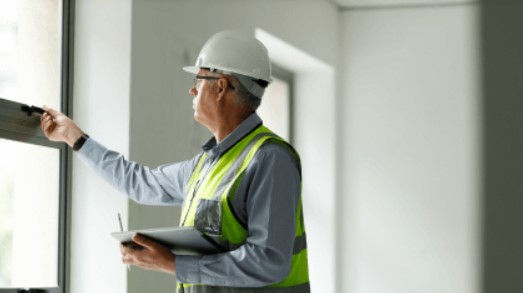
One window problem may be isolated. The same problem across multiple windows may reveal a pattern. For facility teams, property managers, schools, contractors, and building owners, documentation can make repair planning more efficient and help determine whether the issue is localized or part of a larger building-wide concern.
Track details such as:
Which windows are affected
Where the windows are located
What issue is occurring
How often the issue repeats
Whether the windows are the same style or age
Whether the issue appears hardware-related, frame-related, glass-related, or environmental
Whether repairs have already been attempted
Clear documentation helps create a more accurate repair scope before costs escalate or the project expands.
4.) Address Small Failures Before They Become Larger Problems
Small window hardware failures are easy to overlook, especially in large buildings where maintenance teams are already handling many competing priorities. But small issues can create larger problems if they are ignored.
For example:
A failed balance can make a sash unsafe or difficult to operate.
A worn lock or keeper can affect security and usability.
A damaged operator can put stress on the sash or frame.
Worn weatherstripping can affect comfort and energy performance.
Binding hardware can make users force the window, causing additional damage.
Repairing smaller issues earlier can help preserve the function of the larger window system and provide a clearer path for long-term maintenance planning.
5.) Use Assessment-First Planning
Assessment-first planning means the scope of work should be based on what the window system actually needs. In some cases, repair may be practical. In other cases, retrofit work or full replacement may be the better long-term solution. The value of the assessment is that it helps clarify the right direction before a project becomes larger, more expensive, or more disruptive than necessary. An assessment-first approach asks:
Is the frame still structurally sound?
Is the glass still serviceable?
Is the issue related to repairable hardware?
Are replacement components available?
Can the window be restored to safe and usable operation?
Is the problem isolated or widespread?
Would repair or retrofit reduce disruption compared to full replacement?
Would replacement provide better long-term value?
This approach keeps every option on the table while grounding the decision in the actual condition of the windows.
6.) Reduce Stress on Window Components
Windows often fail faster when users have to force them open, slam them shut, or work around damaged hardware. If a window is difficult to operate, the issue should be investigated instead of treated as normal wear.
Signs of unnecessary stress include:
Cranking harder than usual
Pulling or pushing the sash with extra force
Locks requiring pressure to engage
Sashes dropping suddenly
Sliding windows dragging or jumping the track
Hinges or arms binding during operation
When a window requires force, something in the system may be misaligned, worn, broken, or no longer supporting the sash properly.
7.) Keep Replacement Hardware Compatible

When hardware is replaced, compatibility matters. Commercial window systems often use specific balances, operators, hinges, locks, keepers, and other components.
Using hardware that looks close but does not match the application can create new problems or place additional stress on the system.
Before replacing hardware, confirm:
Part type
Mounting style
Dimensions
Orientation
Load or weight rating, if applicable
Compatibility with the existing window system
Whether related parts should also be inspected or replaced
The right replacement hardware should support the existing system, not introduce additional alignment or operation issues.
8.) Plan Maintenance Around Building Use
Commercial window repair often happens in active environments such as schools, offices, apartment buildings, hospitals, campuses, and public facilities. That makes disruption an important part of the planning process.
Commercial window repair often happens in active environments such as schools, offices, apartment buildings, hospitals, campuses, and public facilities. That makes disruption an important part of the planning process.
Repair and Maintenance Planning Should Consider:
Building occupancy
Access to affected areas
Safety concerns
Seasonal weather
User complaints
Urgency of the issue
Whether work can be phased
Whether multiple windows can be addressed together
A planned repair approach can help reduce disruption compared to waiting until window problems become urgent.
9.) Know When Replacement May Still Be Necessary
Extending the life of existing window systems does not mean every window should be repaired forever. In some situations, full replacement is the most practical and responsible choice.
Replacement may be necessary when:
Frames are severely damaged
Glass failure is widespread
Water intrusion is significant
Hardware is unavailable or no longer practical to replace
The window system no longer meets building needs
Repairs would not restore safe or reliable operation
The cost of continued repair no longer makes sense
The value of assessment is that it helps clarify the right path forward. Sometimes that path is repair. Sometimes it is retrofit work. Sometimes it is replacement.
10.) Work with a Commercial Window Specialist
A commercial window specialist can help determine whether existing windows still have service life left and what type of work makes the most sense for the building.
Instead of beginning with a fixed assumption, a professional evaluation looks at what is actually failing and whether the system can be repaired, maintained, retrofitted, or replaced.
That can help facility teams, property managers, contractors, and building owners make clearer decisions about cost, disruption, safety, and long-term performance.
A window that is hard to open, difficult to lock, or no longer operating correctly may not mean the entire system has failed. It may mean the system needs the right assessment.
Need Commercial Repair Support?
Window Repair Systems provides commercial window repair solutions for facilities, schools, property managers, contractors, and building owners looking to evaluate, repair, maintain, retrofit, or replace existing window systems.
Visit Window Repair Systems to learn more about commercial repair options or contact the team to discuss your building’s window issues.


Comments